



Author:
Kohei Yamamoto
Actus Tax Corporation
E: [email protected]
Edited by:
Integra International
Grant Gilmour, B.Sc., MBA, CA, CPA Canada, BC, CPA USA, Az, GDipICL.Sc.
INTEGRA TAX WORLD NEWSLETTER EDITOR
E: [email protected]
E-invoicing in Japan in 2026
Introduction
E‑Invoicing tax matters in Japan
- Electronic Books Maintenance Act
- Qualified Invoice‑based Method (a.k.a. Invoice System)
Overview of E‑Invoicing in Japan
- Global trend toward E‑Invoicing
- Japan’s slower adoption
- Mixed use of Paper and Electronic invoices
What is Electronic Books Maintenance Act
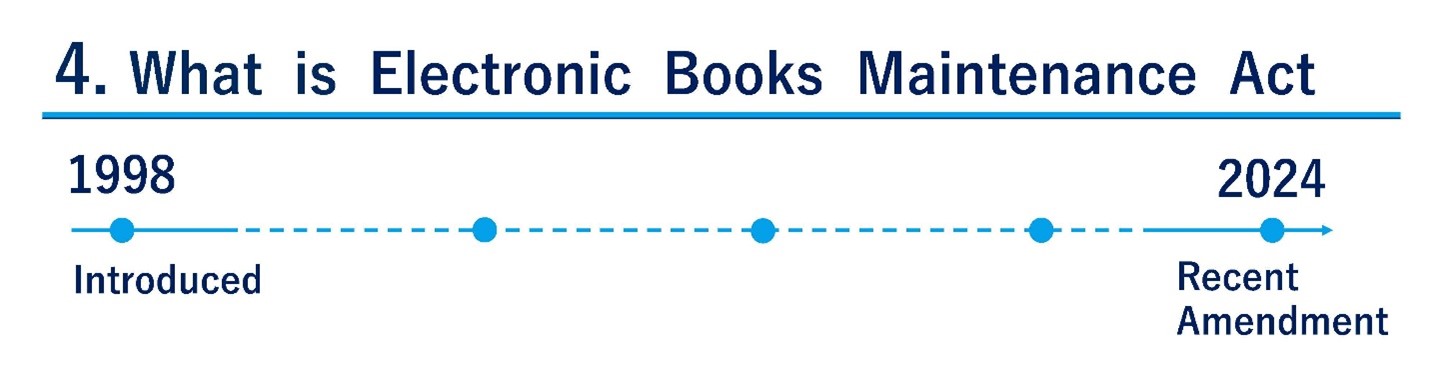
Purpose:
- Reduce administrative burden
- GL, BS, PL …
- Ensure fair taxation
Current features of Electronic Books Maintenance Act
- 2024~: Electronic storage is mandatory Only for Electronic transactions
- Examples: PDF invoices, cloud downloads
- Paper invoice is still acceptable
- Not all transactions need to be electronic
What is Qualified Invoice‑based Method?
- A method to receive tax credit for consumption tax
- [Output tax – input tax]
- 2023~: Started in October
- Purchases based on “Qualified Invoice” are only eligible for tax credit
- Invoices issued by a Qualified Invoice Issuer are called “Qualified Invoice”
- To become a Qualified Invoice Issuer, a business needs to be registered with NTA
- The question then is
- Why don’t all businesses just register with NTA?
Current impact of Qualified Invoice‑based Method
- There is also tax‑exempt business in Japan
- Qualified Invoice Issuer may not be exempt from CT reporting and tax deposit requirements
A Tax‑exempt business is faced with a difficult choice:
- Registering to issue Qualified Invoice
- Which means Not being exempt from reporting and tax deposit requirements
- Not registering
- Clients can’t claim tax credit
- Risks of losing sales to clients
Summary
- Japan still in transition of reporting transactions: Paper & Electronic
- Qualified Invoice System → Difficult choice for tax‑exempt business
- Further digitalization and evolution expected
Disclaimer
This communication contains general information only based on collective research. Before making any decision or taking any action that may affect your finances or your business, you should consult a qualified professional adviser. No representations, warranties or undertakings (express or implied) are given as to the accuracy or completeness of the information in this communication, and none of Actus Tax Corporation, Integra International, related entities, employees or agents shall be liable or responsible for any loss or damage whatsoever arising directly or indirectly in connection with any person relying on this communication.
Actus Tax Corporation and Integra International, and their related entities, are legally separate and independent entities.
© 2026 Integra and Actus Tax Corporation
About the Author:

Kohei Yamamoto
Kohei offers tax and accounting consulting services primarily to foreign affiliated companies as well as to Japanese companies. He also supports individuals, including foreign residents in Japan and Japanese nationals living overseas, with their tax compliance obligations.
In addition, he advises on the tax implications of cross-border secondments and expatriate assignments between Japan and overseas entities.
About Actus Tax Corporation:
Actus is a firm consisting of various professionals. Our team members have knowledge and experiences to solve the issues that a company will face in both their daily operations and development process. Our service policy is “We must respond individually, directly and thoroughly to understand clients’ needs so that we provide the best solutions”
Integra International Bio:
https://integra-international.net/find-an-integra-firm/find-firm-profile/name/actus-tax-corporation/
Actus Tax Corporation:
